Back to the directoryFind in the timeline
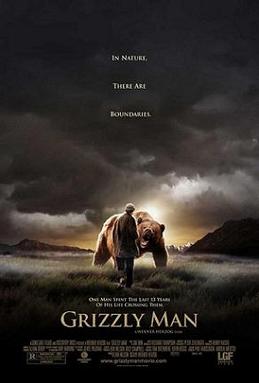

Grizzly Man
Werner Herzog builds a documentary around Timothy Treadwell's recordings of living near Alaskan bears. The film considers his attachment to the animals and the encounter in which he died.
- Directed or created by
- Werner Herzog
- Country and language
- United States · English
- Content notes
- Based on the official Criterion synopsis only: fatal bear attack referenced and exploration of personal tragedy. Not a full content review.
Why this work matters for psychology
Built from a deceased subject's own wilderness video archive, the documentary invites viewers to reflect on grief, human-animal projection, and the ethical responsibilities of filmmakers who edit another person's footage.
Psychological connections
Screen stories illustrate how psychological processes look and feel in narrative form; they are not empirical proof or clinical case studies.
Grief and attachment in documentary
The premise of exploring a fatal wilderness bond through personal video invites questions about how viewers and filmmakers respond to grief and emotional projection, framed as open prompts rather than measured findings.
Ethics of representing a subject's own footage
Herzog's use of video recorded by Treadwell raises ethical questions about posthumous representation, authorship, and care in documentary practice; note that documentary filmmaking ethics are distinct from formal psychological research protocols or IRB review.
Portrayal and accuracy limitations
- The Criterion page explicitly classifies the work as a documentary; do not infer a psychiatric diagnosis of Timothy Treadwell or treat the synopsis as a scientific study of animal behavior.
- The research-ethics topic tag is used here to discuss documentary representation and consent, not to imply that the film is a human-subjects psychology experiment.
Questions to watch for
- 1. Whose perspective does the gathered wilderness footage allow viewers to hear?
- 2. How should a documentary filmmaker weigh care and boundaries when working with a deceased subject's personal recordings?
In the Psy101 course
Supports discussion of documentary representation ethics alongside OpenStax Chapter 2 (Psychological Research) and emotional bonds alongside Chapter 10; no individual textbook section was separately inspected as a direct match for this documentary.
- OpenStax Psychology 2e, Ch. 2: Psychological Research
- OpenStax Psychology 2e, Ch. 10: Motivation and Emotion
Textbook links show where these concepts sit in an introductory course; they do not study this screen work. See the full topics and course map.
Companion readings and work source
Readings labeled as conceptual companions or contextual references study the psychological topic rather than this screen work.
- [1]Collection, T. C. (2005). The criterion collection: Grizzly man. https://www.criterion.com/films/34209-grizzly-manChecked 2026-10-23.Release or archive checkedSelected official synopsis, credits, or catalog details checked; this does not imply a full viewing.