What a Scene Invites You to Infer
A film can show a mind at work, but the viewer does most of the interpreting. Separating what is on screen from what you conclude shows which claims need checking against research.
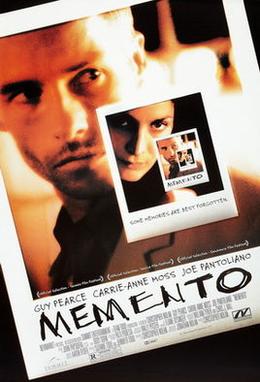
Browse the directoryImagine pausing a scene in Memento where the hero studies one of his annotated instant photographs. He hunts his wife's killer while unable to form new memories, and he tracks information with handwritten reminders, instant photographs and marks on his body. Sort what you take from the frame into two columns. What the camera shows is a man examining a marked object before he acts. What you infer is that he cannot rely on his own memory of recent events. The first is observation. The second is a conclusion you added.
Look at what the inference assumed, and put it in the inference column: that the note is accurate, that his earlier self wrote it under good conditions, that the order of scenes you were shown is the order that matters. Observation is a short column. Most of the interpreting happens in the other one.
Checking the psychological claim against research needs different material. A 2004 BMJ review by Baxendale discussed how films portray amnesia and singled out Memento as an honorable exception: the character keeps his sense of who he is, loses little from before the injury, and has severe trouble learning new things. That is a clinician's view of the portrayal, and the film is not a case study. It sharpens the question the scene raised: how do people with severe difficulty learning new information use external cues in daily life, and when might a cue mislead? A textbook section on encoding, storage and retrieval gives vocabulary for that question.
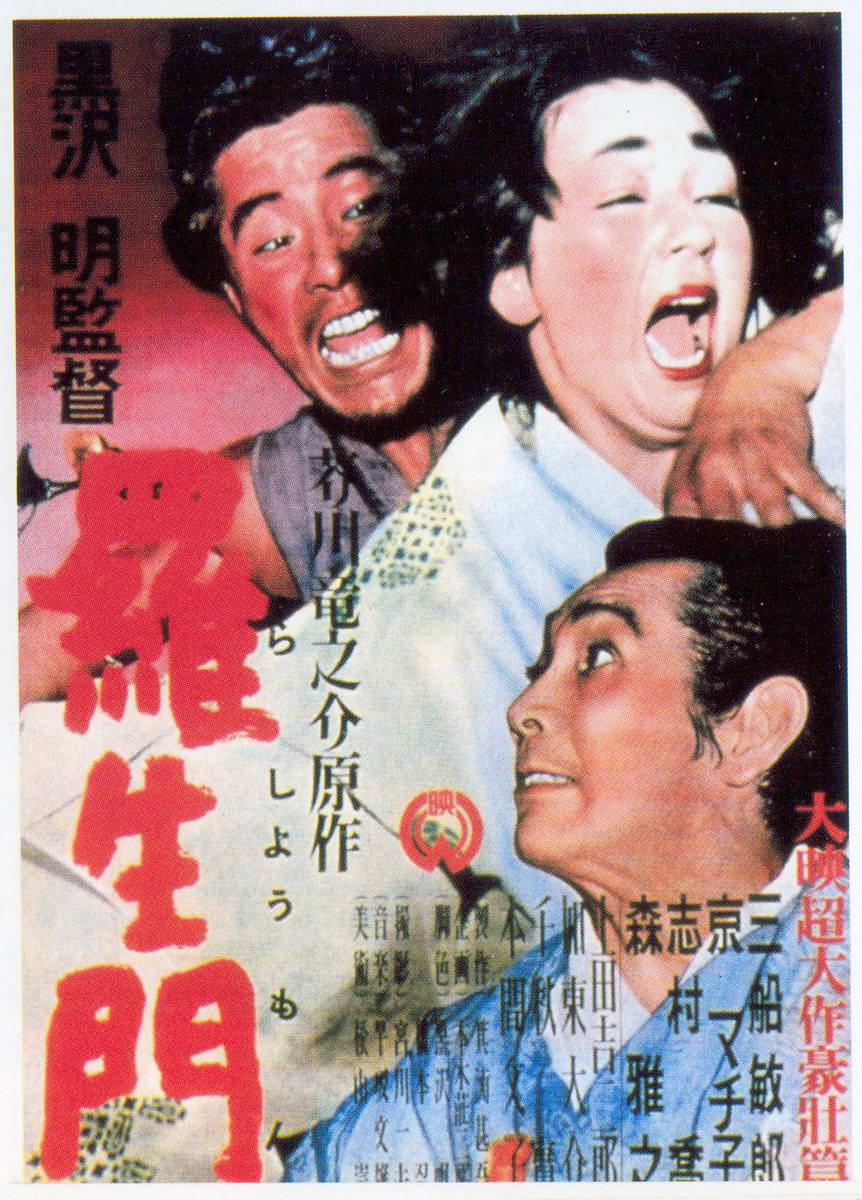
Sometimes more than one interpretation is live. In Rashomon four accounts of one violent encounter diverge at a trial. A viewer could read the divergence as failed recollection, as strategic telling, or as the writer's decision to make the accounts differ. The film fits all three, so the useful move is to ask which details of a scene would favor each: a speaker who hesitates, a version that flatters its teller, an account that something else in the film contradicts. A drama supplies its divergence by authorship, so it cannot stand in for a finding about real eyewitnesses. Textbook material on eyewitness memory and suggestion supplies concepts that bear on such readings.
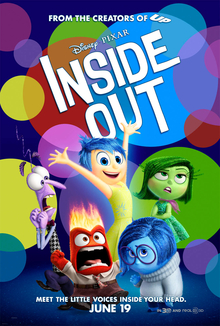
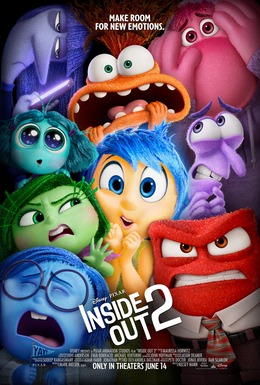
A metaphor asks for a third kind of reading. In Inside Out a girl's emotions are characters led by Joy, whose competing priorities shape how she responds to a move. Ask which parts of emotion that cast makes visible and which it leaves out. A textbook account organizes emotion into subjective experience, expression, appraisal of a situation and bodily response, and separates emotion from mood. Some of those parts could be spread across characters and some could not. Deciding which is the comparison.
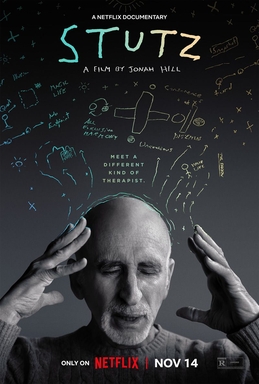
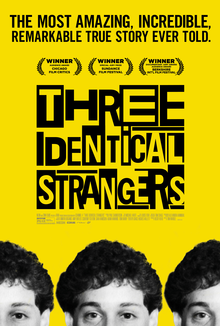
Documentaries raise their own version of these questions. Examine the studies, interviews or archival material they present and follow their sources. For a dramatic portrayal, ask what supports its psychological details. The form changes how you inspect the evidence, while the difference between an interpretation and a finding remains.